July - Japanese Flower Calendar
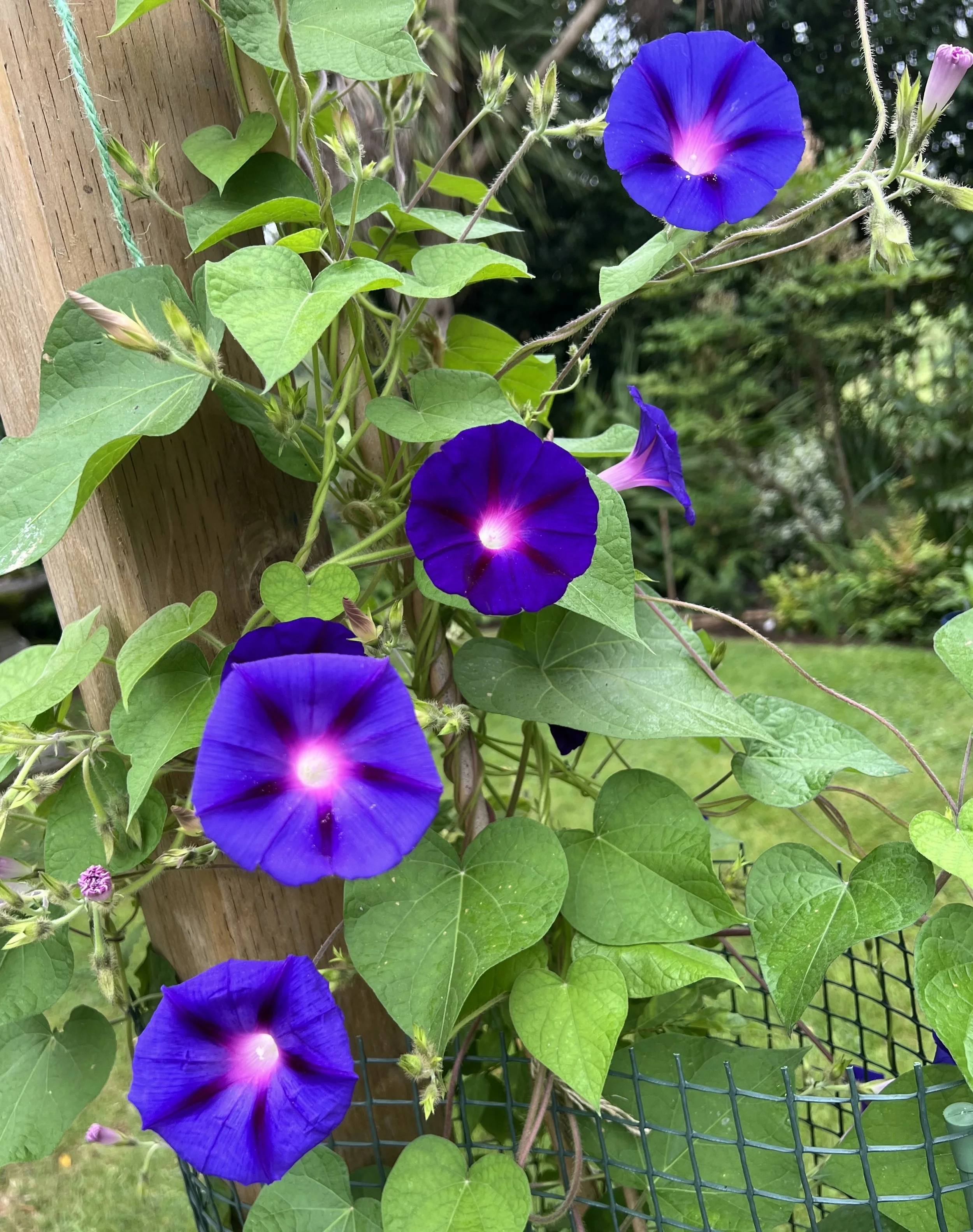
The beauty of a single flower is best illustrated by the Morning Glory, the flower for the month of July.
JUNE - JAPANESE FLOWER CALENDAR
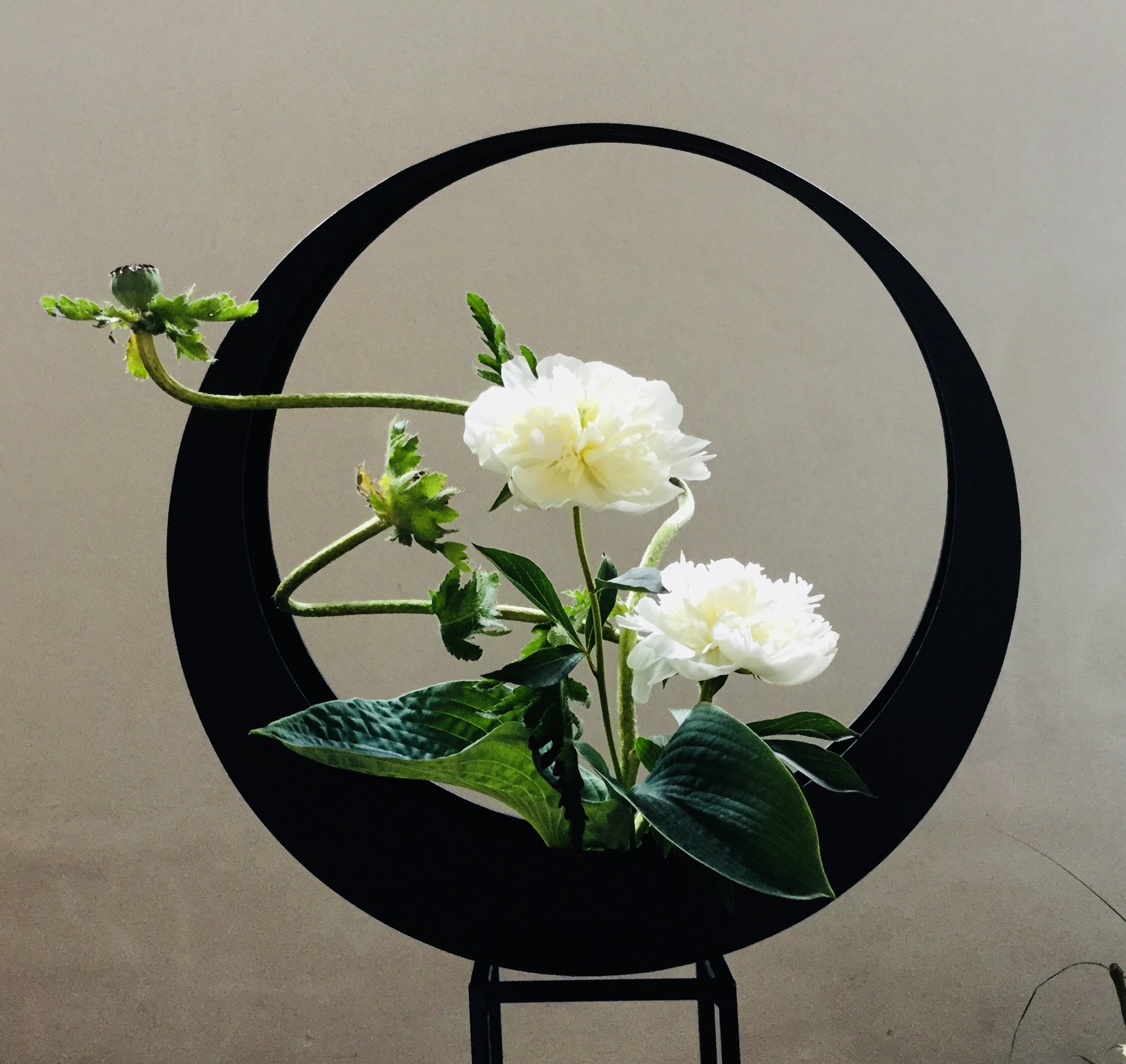
The Peony and the Iris flower at the same time so May and June can be interchangeable.
Like the Iris the peony is used in many traditional arrangements and often used together with Iris in the Rimpa designs.
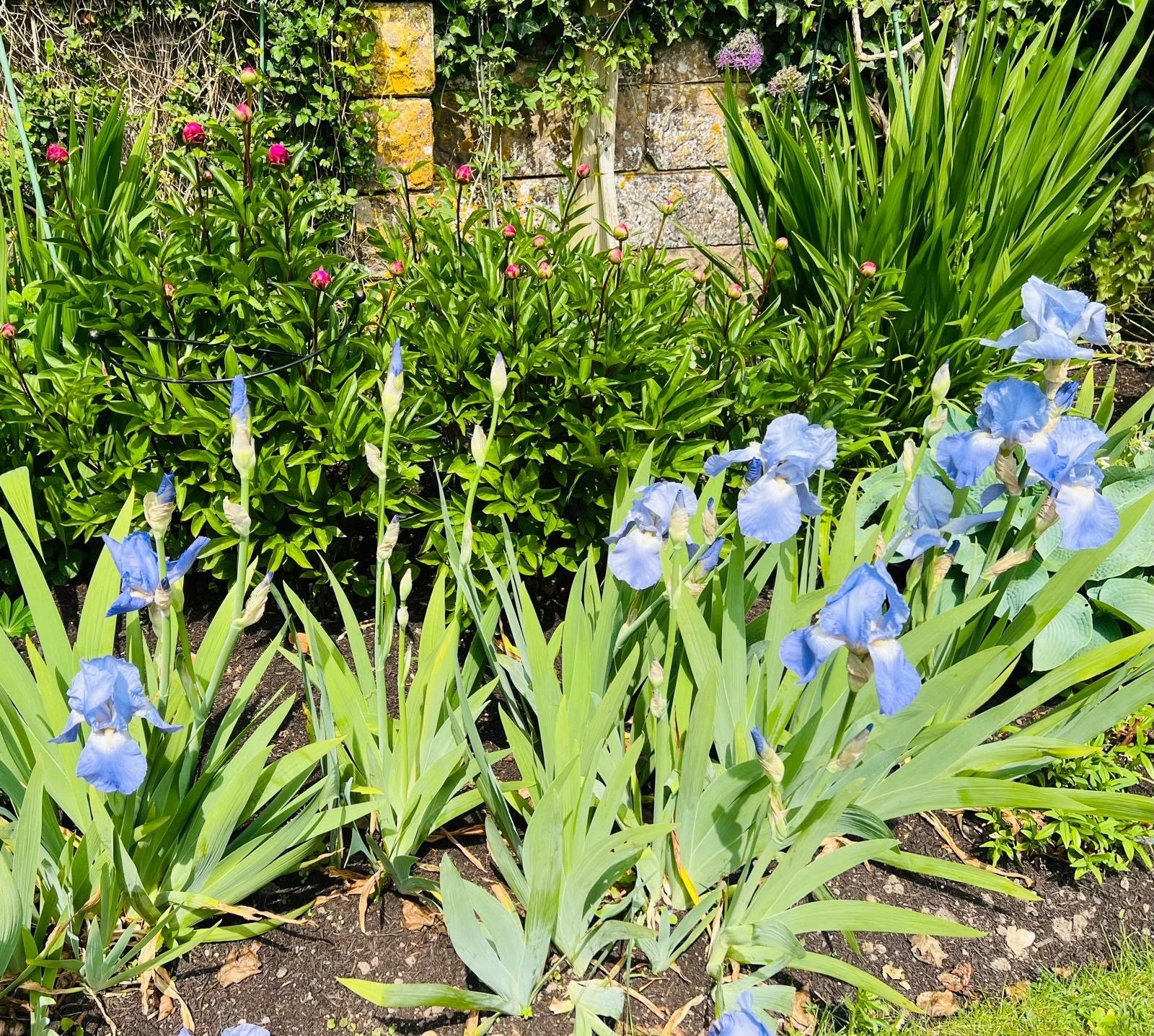
MAY - JAPANESE FLOWER CALENDAR
The Iris is a noble flower and used in art, literature and of course Ikebana. It is the subject of one of the most famous Rimpa paintings in Japan by an artist called Korin Ogata (1658-1716), the painting is set on a pair of six fold screens, wonderful Iris paintings on a gold background that flow across the screens in fan shaped placements. This painting is a National treasure and can be found in the perfect Nezu museum in Tokyo.
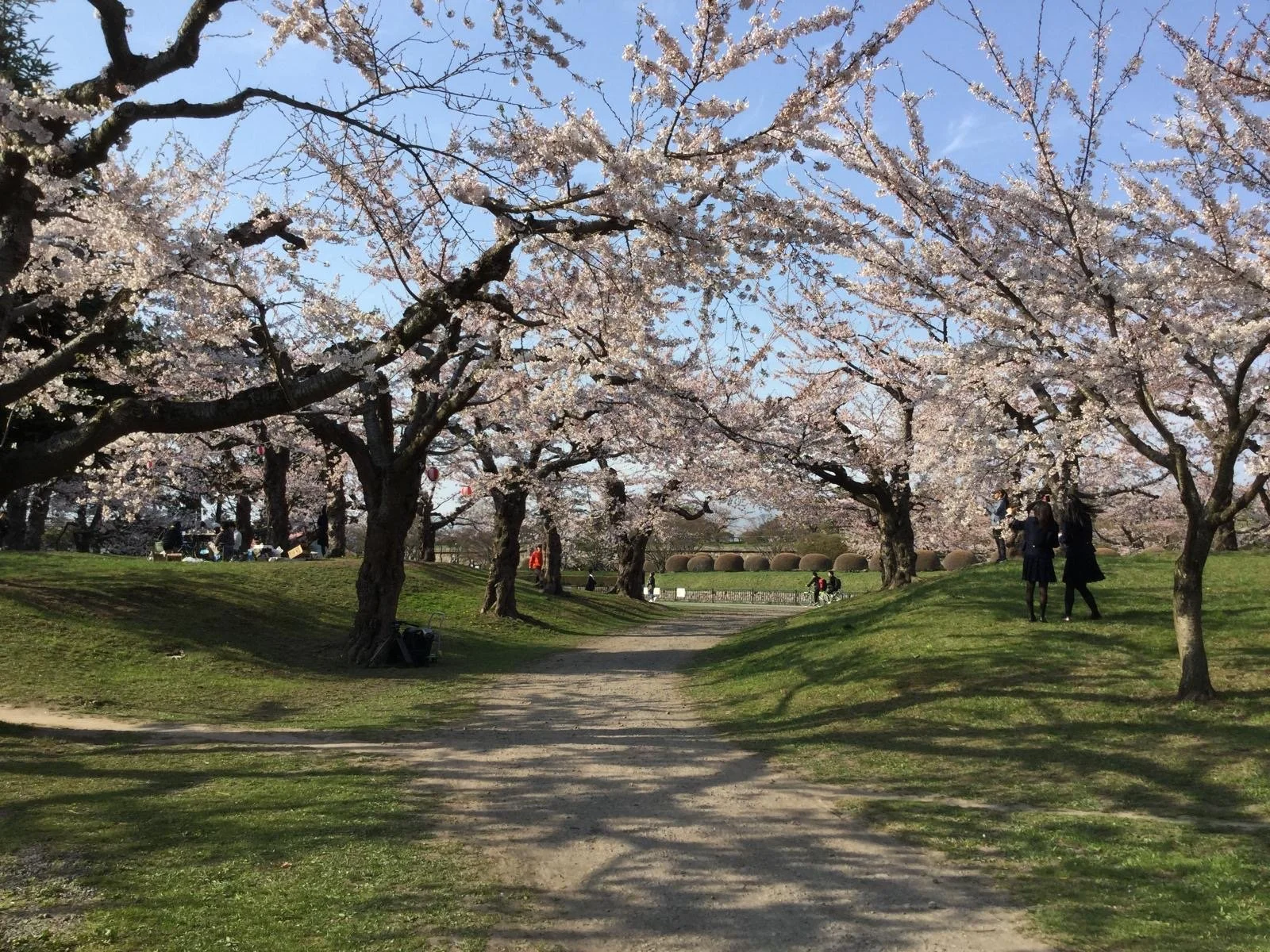
APRIL - JAPANESE FLOWER CALENDAR
Cherry blossom symbolises the beauty and shortness of life. Transient, in Japanese poetry it is called mono no aware which means exquisite sadness. Cherry blossom stands for perfection and is glorified as no other flower in Japan. The seasonal event of cherry blossom viewing is still to this day very popular, a time for strolling under the trees, drinking sake and enjoying in full the short but spectacular beauty of the blossom.
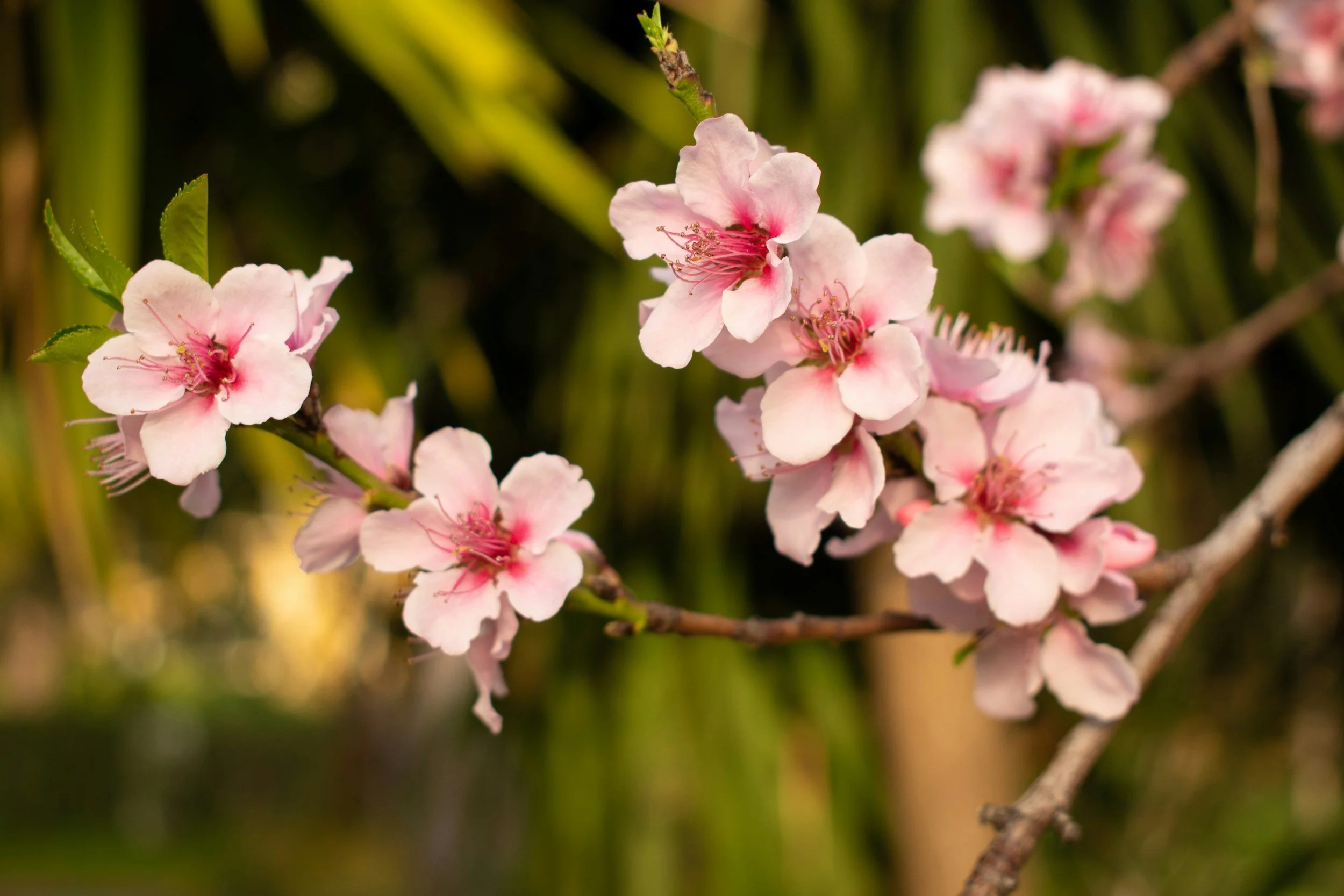
MARCH - JAPANESE FLOWER CALENDAR
The Peach produces amazingly beautiful blossom usually in pink and symbolises happiness in marriage. On the third day of the third month arrangements are done using pink and yellow flowers to celebrate the Girls day. The peach flowers are always used in this girls festival with ceremonial dolls. The festival is also known as the Dolls festival (Hina Matsuri) it is the day that young girls, usually around the age of three, make their first visit to the temple dressed in their finest clothes. This festival dates back to the time when straw or paper dolls were placed by babies to protect them from disease. On the 3rd of March the dolls were floated down the rivers to carry the disease away.
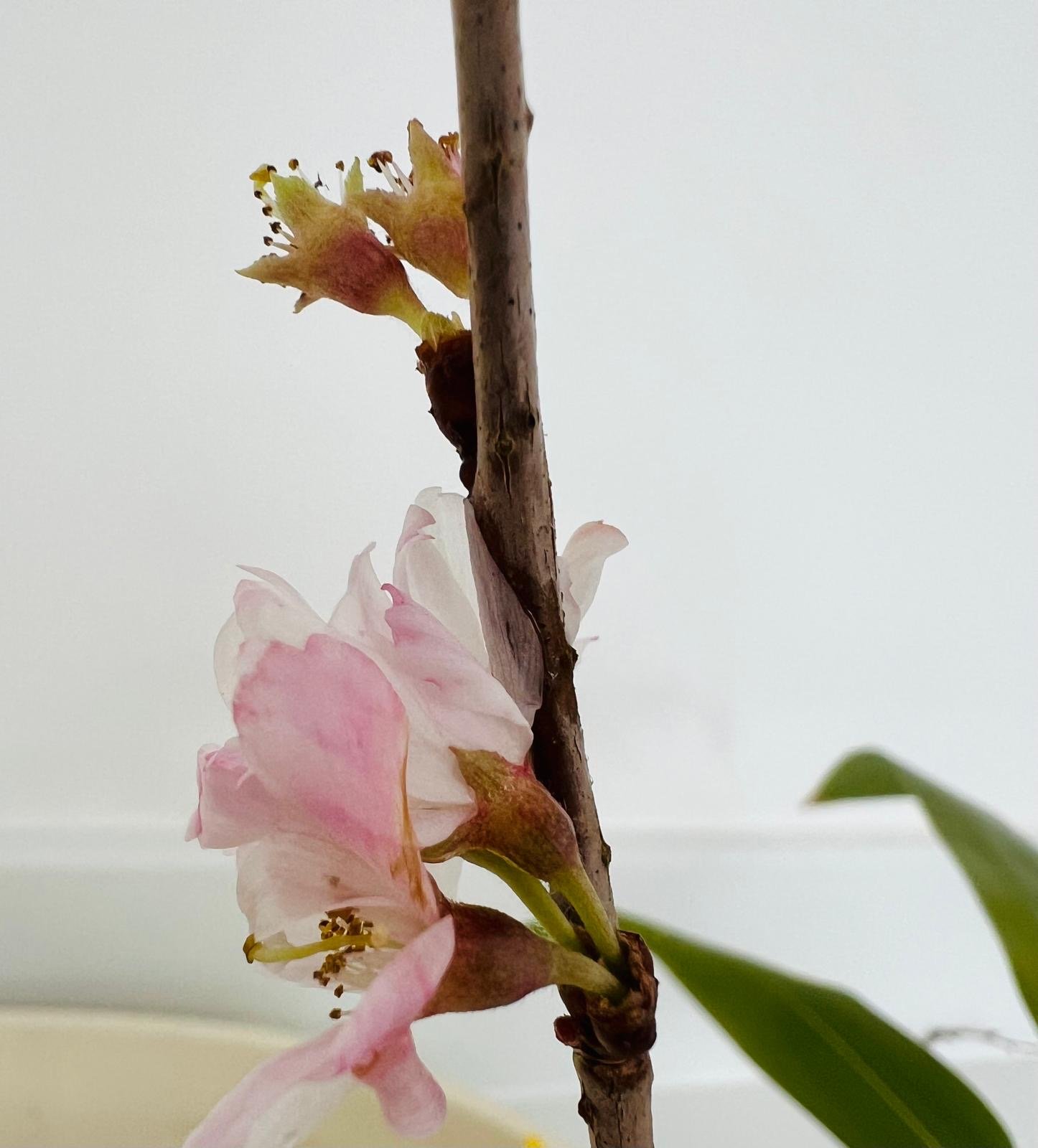
february - Japanese Flower Calendar
The herald of Spring in the Orient is the Plum blossom arriving before the end of the frost and before the leaves arrive on the trees. This beautiful and delicate flower has the meaning of courage in adversity it is used with pine and bamboo in the Three Friends of Winter. The fruit is different to our plums, they are small and hard and are usually used as traditional pickled plums.
JANUARY - Japanese Flower Calendar
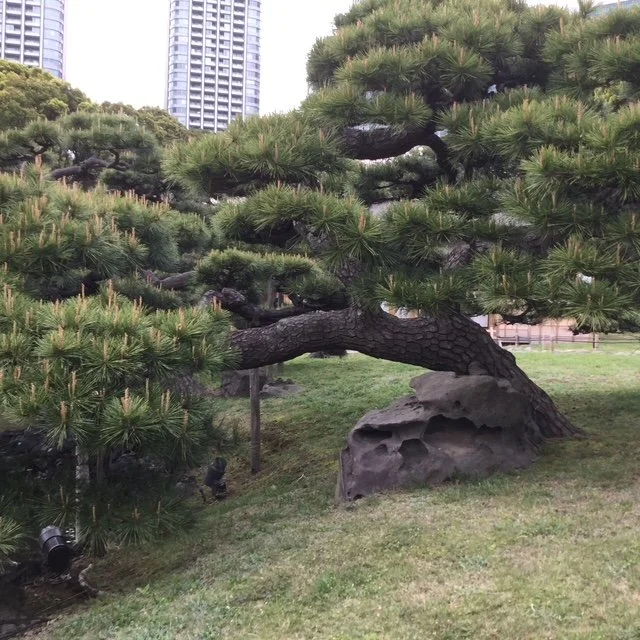
A special and noble material the evergreen pine is an iconic sight in Japan and has the meaning of constant and everlasting. Matsu has a double meaning the same word is used when waiting for a loved one to return so is often used in poetry and art. Pine is the most impressive of all the flowerless trees in Japan, they are pruned into the classic "floating cloud" formation by skilled gardeners. There are five varieties of pine to be found in Japan and in Japanese belief trees are places where gods can rest whilst visiting this world, hence the importance of pine trees in gardens.
DECEMBER - Japanese Flower Calendar
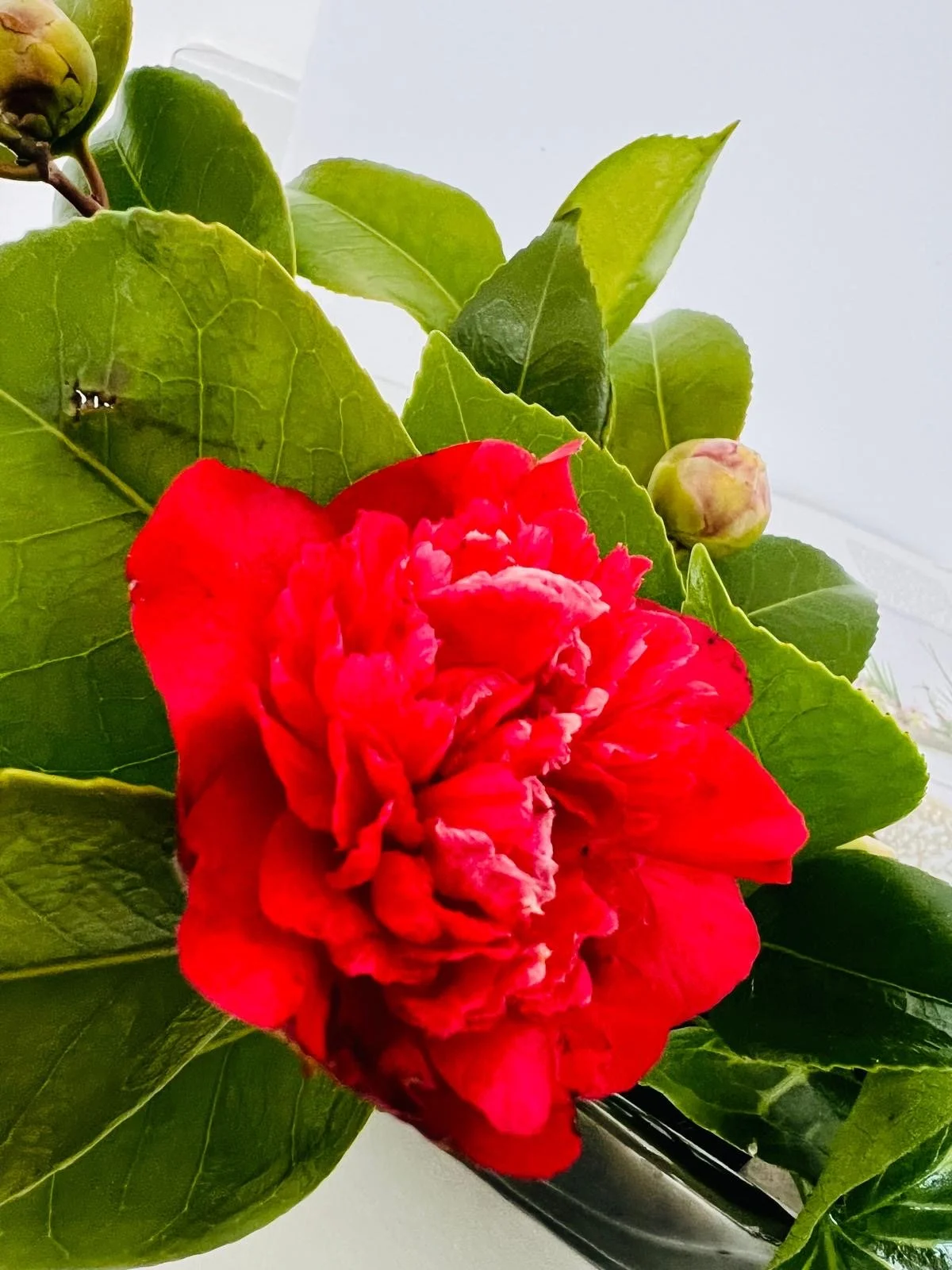
The camellia is a beautiful flower, sometimes known as the Rose of Winter, that flowers from late November until the end of Spring. The genus is native to East Asia and is very popular in both China and Japan. Camellias come in many different forms from single to massive double blooms and in all colours from white through palest pink to crimson and on to the dark hues of red.